
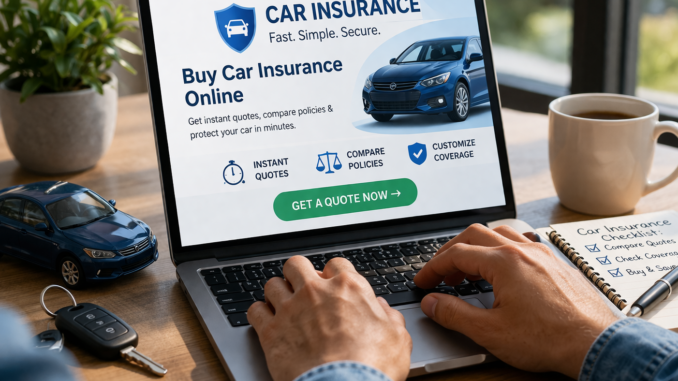
If you own a car, protecting it is more than just a good idea—it’s essential. Accidents, theft, natural disasters, and unexpected damages can occur at any time, and without proper insurance, the financial consequences can be overwhelming. This is where full coverage car insurance comes in, offering peace of mind and comprehensive protection. In this guide, we’ll break down what full coverage car insurance is, what it includes, why it might be right for you, and factors to consider before purchasing a policy.
What Is Full Coverage Car Insurance?
Despite its name, “full coverage” does not literally cover every possible scenario, but it does provide a combination of multiple insurance types that cover a wide range of risks. Typically, full coverage combines:
- Liability Insurance
- Bodily injury liability: Covers injuries you cause to other people in an accident.
- Property damage liability: Covers damages you cause to someone else’s property, such as their car, fence, or building.
- Collision Insurance
- Covers damage to your own car from collisions with other vehicles or objects, regardless of who is at fault.
- Comprehensive Insurance
- Covers damages to your car caused by non-collision events such as theft, vandalism, fire, floods, or falling objects.
By combining these coverages, full coverage insurance provides financial protection for both you and others, helping mitigate significant expenses if an accident or unexpected event occurs.
Why Consider Full Coverage Car Insurance?
There are several reasons full coverage insurance might be the right choice for drivers:
1. Protection for New or Expensive Cars
If your car is new or has a high market value, repairing or replacing it after an accident can be costly. Full coverage insurance ensures that your car can be repaired or replaced without a huge out-of-pocket expense.
2. Loan or Lease Requirements
Most lenders and leasing companies require you to carry full coverage insurance until the car is paid off. This protects their investment as well as yours.
3. Peace of Mind
Knowing that you’re covered for accidents, natural disasters, theft, and other unexpected events allows you to drive with confidence.
4. Saves Money in the Long Run
While full coverage insurance is more expensive than minimum liability coverage, it can save you thousands of dollars if an accident or damage occurs. Without it, you’d be responsible for all repair costs yourself.
What Full Coverage Does and Doesn’t Cover
What’s Typically Covered:
- Vehicle collisions
- Theft or vandalism
- Fire or natural disasters
- Animal collisions (e.g., hitting a deer)
- Medical expenses for you or passengers (if added via medical payments or personal injury protection)
- Legal and liability costs if you cause an accident
What Might Not Be Covered:
- Regular maintenance (oil changes, tire rotations, brake pads)
- Mechanical breakdowns not caused by an accident
- Intentional damage
- Using your vehicle for commercial purposes without proper coverage
It’s essential to read your policy carefully to understand exclusions and limitations.
Factors That Affect Full Coverage Insurance Costs
The cost of full coverage insurance varies widely depending on several factors:
- Vehicle Type
- Luxury, sports, and high-theft vehicles tend to have higher premiums.
- Age and Driving Experience
- Younger and less experienced drivers usually pay more due to higher risk.
- Location
- Areas with high traffic, accident rates, or crime rates often lead to higher premiums.
- Driving Record
- Clean driving records can lower your premium, while tickets and accidents increase it.
- Deductibles
- Higher deductibles lower monthly premiums but increase out-of-pocket costs after a claim.
- Credit Score
- In some states, insurers use credit scores to assess risk and determine rates.
- Coverage Limits and Add-ons
- Higher coverage limits or additional options like roadside assistance or rental reimbursement increase cost.
Tips for Choosing the Right Full Coverage Insurance
- Compare Quotes
- Don’t settle for the first offer. Compare multiple providers to find the best price and coverage.
- Evaluate Your Needs
- Consider your car’s value, your financial situation, and how much risk you’re willing to take.
- Check for Discounts
- Many insurers offer discounts for safe driving, bundling home and auto policies, or installing anti-theft devices.
- Review Policy Terms Carefully
- Understand coverage limits, exclusions, and claims processes before committing.
- Reassess Regularly
- As your car ages or your driving habits change, your insurance needs may change too.
Is Full Coverage Car Insurance Worth It?
Full coverage car insurance is often worth the investment for new drivers, owners of new or valuable vehicles, or anyone who wants comprehensive financial protection. While the upfront cost is higher than minimum liability insurance, the protection it offers against unexpected accidents, theft, or damage can save you substantial money and stress in the long term.
However, for older cars with low market value, the cost of full coverage might exceed the potential payout in case of an accident. In such cases, drivers may opt for liability-only insurance to save money, though this carries greater financial risk.
Leave a Reply